



Motorcycle Exhaust Maintenance: The Ultimate Guide FCR Accessoires
Your motorcycle's exhaust system is one of the most exposed components on the bike. Extreme heat, vibrations, moisture, road salt - it takes everything in silence. But a poorly maintained exhaust takes its revenge: corrosion, exhaust leaks, power loss, failed MOT. At FCR Accessoires, we have been building Triumph and BMW motorcycles for over 10 years - and we have seen every possible mistake. This guide is here to help you avoid them.
Contents
Know your exhaust material: stainless, titanium or ceramic?
Before choosing a product or cleaning method, you need to know what you are working with. Each material has its own requirements.
The most common. Hard-wearing, easy to maintain, handles moisture and high temperatures well. Discolours with heat (yellowing) but polishes easily. Standard material on our FCR exhausts.
Lighter and stronger than stainless. Its characteristic blue iridescence comes from thermal discolouration - this is natural and intentional. Highly corrosion-resistant. Minimal upkeep but requires specific products.
Next-generation coating applied to steel or stainless. Outstanding thermal and chemical resistance, available in multiple colours (matt black, anthracite…). Gentle cleaning only.
5 mistakes to avoid at all costs
1. Cleaning the exhaust while hot
This is the number one mistake, by far the most common. Exhaust headers can reach 400–600°C, and remain above 150°C for tens of minutes after the engine stops. Spraying a cold product onto such a hot surface causes immediate thermal shock: metal deformation, permanent staining, product vaporisation into irritating fumes. Always wait at least 2 hours after a ride before touching the exhaust.
2. Using household or abrasive cleaners
Hydrochloric acid (found in some toilet descalers), bleach, scouring pads or abrasive powders must never be used on an exhaust. On stainless steel, hydrochloric acid cleans aggressively but makes the surface porous, dramatically accelerating future corrosion. On chrome, it causes immediate and irreversible damage. Use only products formulated specifically for exhaust metals.
3. Neglecting gaskets and fixings
An exhaust can look perfectly clean on the outside while leaking at the joints. Exhaust gaskets (copper, graphite or steel) compress and wear through thermal cycles. Even a minor leak creates back-pressure that costs power and accelerates deterioration of the system. Check joints visually at every clean: a black ring of deposits around a fitting is a sure sign of a leak that needs addressing.
4. Letting rust take hold
An untreated rust spot slowly eats into the metal. On a header pipe, this can lead to a perforation and a characteristic hissing sound. Once deep rust has set in, recovery is difficult or impossible without sandblasting. The right reflex: treat at the first sign of surface rust with a suitable polish followed by a protective product.
5. Never replacing the silencer packing
The mineral or fibreglass wool inside the silencer body serves a dual purpose: acoustic absorption and thermal management. It gradually compresses over kilometres. Result: your bike gets louder without any modification - which can cause problems at the MOT sound test. Replacing it every 15,000–20,000 km is good practice, particularly on aftermarket systems.
Proper maintenance routine by frequency
- Wipe with a clean, dry microfibre cloth
- Dry thoroughly before storage
- Quick visual inspection
- Clean with mild metal cleaner
- Polish to suit the finish
- Check gaskets and clamps
- Apply thermal protective treatment
- Full thorough clean
- Anti-rust treatment
- Replace gaskets if needed
- Check silencer packing condition
Wear clean nitrile gloves when handling a polished or brushed silencer. Fingerprints leave greasy residue that oxidises on the next heat cycle and creates stains that are very difficult to remove.
Which products for which finish?
There is no universal product for exhaust maintenance. Here is a summary of suitable products by finish:
| Finish | Recommended products | Avoid |
|---|---|---|
| Brushed stainless | Autosol Metal Polish, Belgom Alu, microfibre cloth | Hydrochloric acid, steel wool, abrasives |
| Mirror-polished stainless | Fine polish (Silver Stone), stainless wax finish | Any abrasive, green scouring pad |
| Titanium | Microfibre cloth + warm water, titanium-specific polish to revive the blue | Abrasive cleaners, strong acids |
| Ceramic / Cerakote | Warm water + mild soap, microfibre cloth only | Any polish, any abrasive, chemical cleaners |
| Carbon fibre | Warm water, Marseille soap, soft cloth | Any abrasive (damages resin and whitens the carbon) |
French MOT 2025: what's changing for your exhaust
Since 1 March 2025, all French motorcycle MOT centres are required to use approved sound-level meters. The transition period is over: noise testing is now systematic and enforced nationwide.
How does the noise test work?
- Sound meter placed at 50 cm from the exhaust outlet, at a 45° angle, minimum 20 cm from the ground
- Motorcycle in neutral, clutch engaged, engine at normal operating temperature
- Three readings taken, tolerance of +3 dB(A) above the value on the registration document (field U.1)
- For twin exhausts more than 30 cm apart, two sound meters are used - only the higher reading is retained
DB Killer: remove it and lose homologation instantly
A critical point that many riders overlook: removing the DB Killer from any silencer - even a fully homologated one - makes the part immediately non-compliant, regardless of the brand. In legal terms, it is the equivalent of a straight-through exhaust. Penalties: class-4 fine up to €750, possible vehicle impoundment, compulsory MOT retest. Automated sound radar enforcement ("Méduse" radars) was also being rolled out across France in 2025.
What our FCR exhausts guarantee
All FCR exhaust systems are developed with an included DB Killer engineered to minimise back-pressure while meeting applicable noise standards. Used for everyday road riding with the DB Killer fitted, our exhausts pass the MOT. The packing wool is replaceable to maintain these performance levels over time.
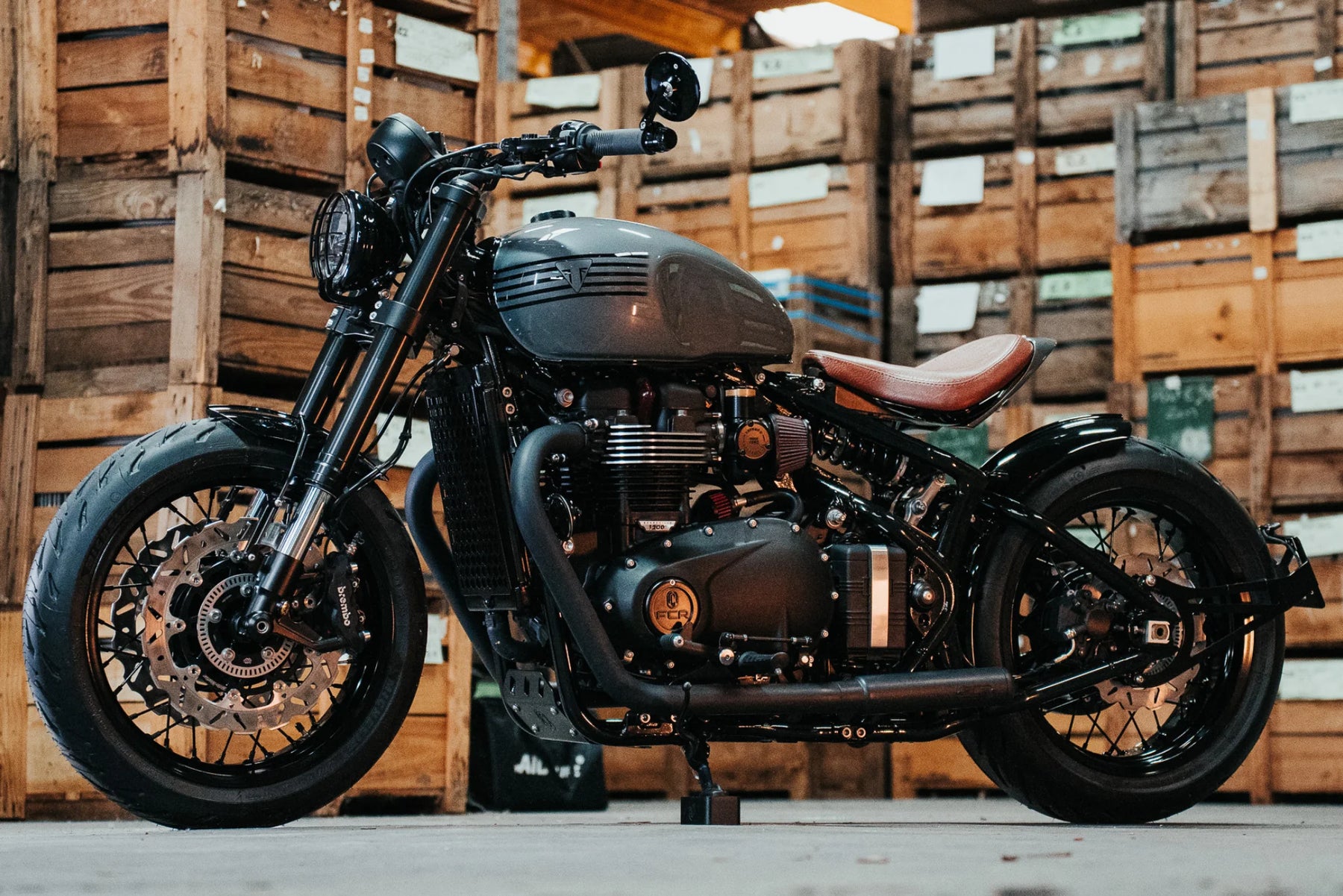
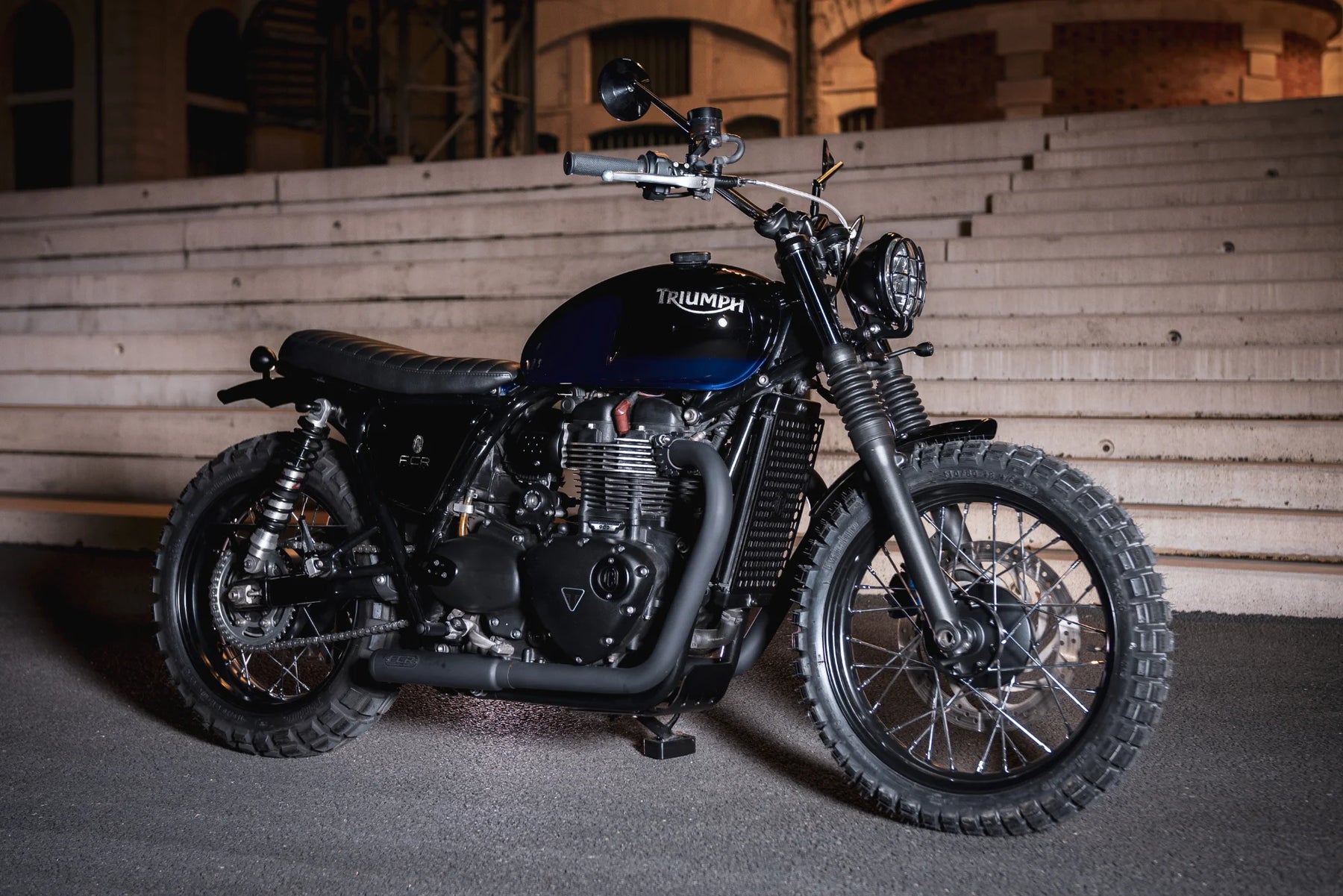
FCR Accessoires exhaust systems for Triumph
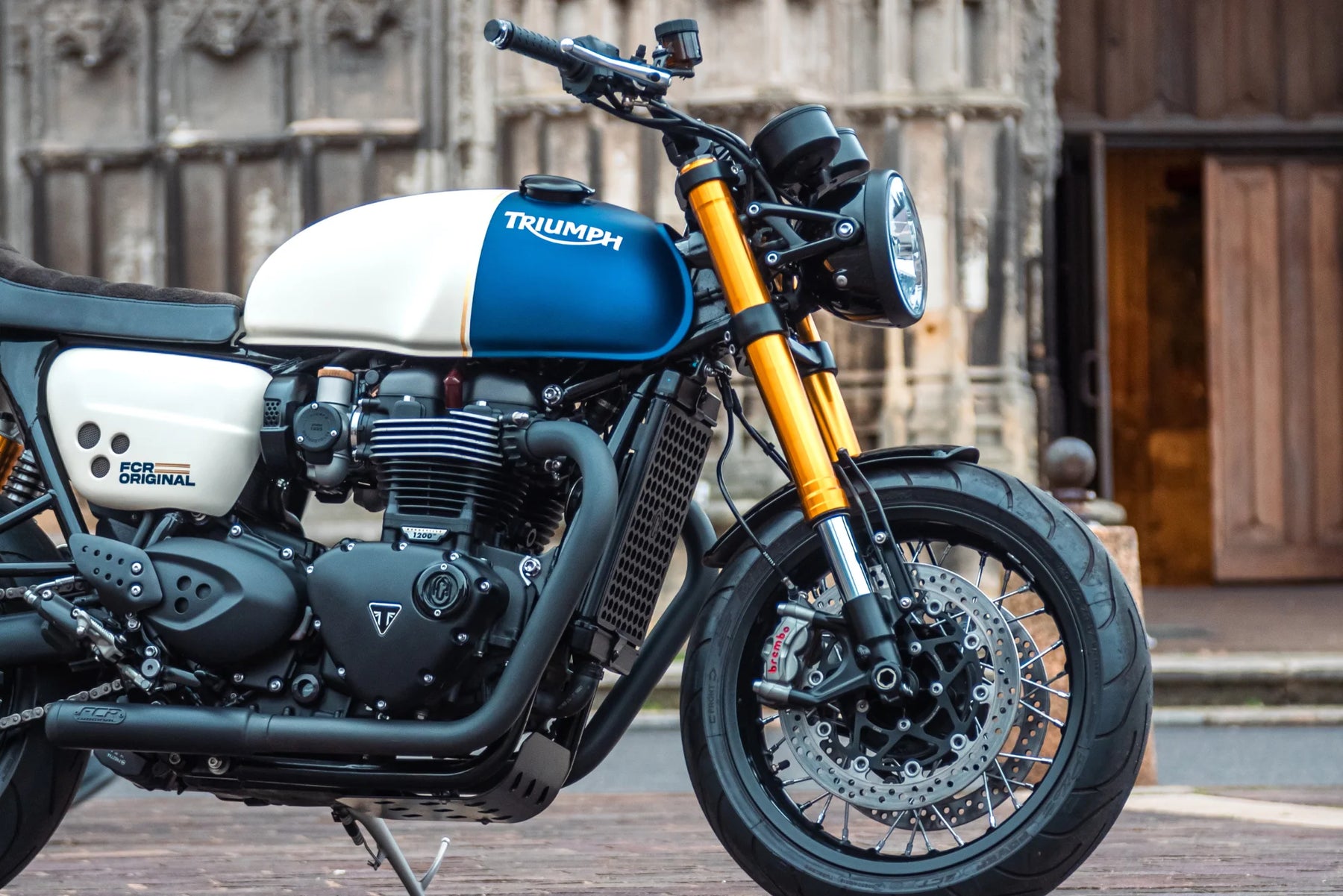
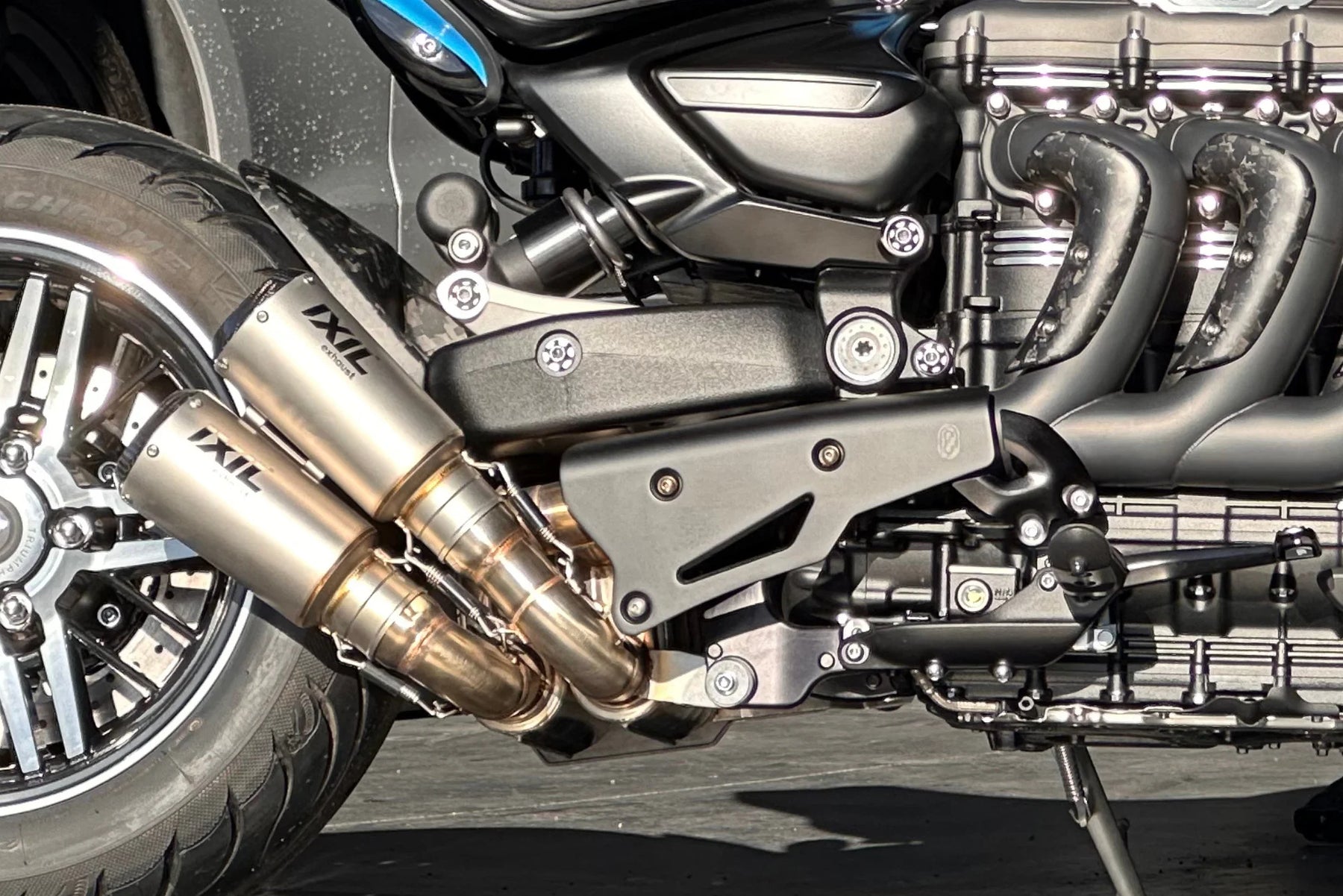
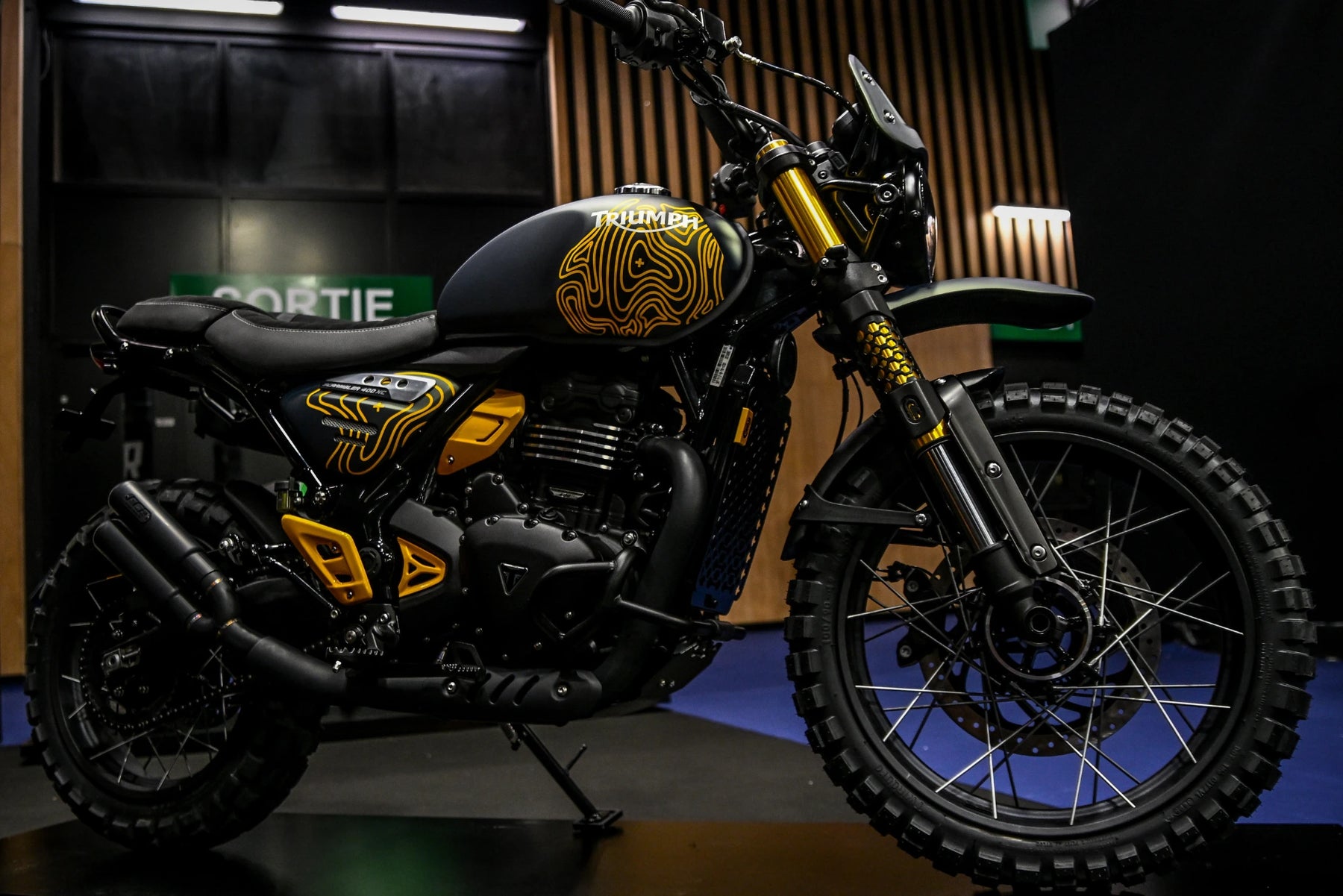
Our Triumph exhaust lines are developed in-house from our own FCR Original builds. Every reference is tested on the bike before going on sale. They reinforce the neo-retro DNA of the Modern Classics without compromising their character.
FCR Accessoires exhaust systems for BMW
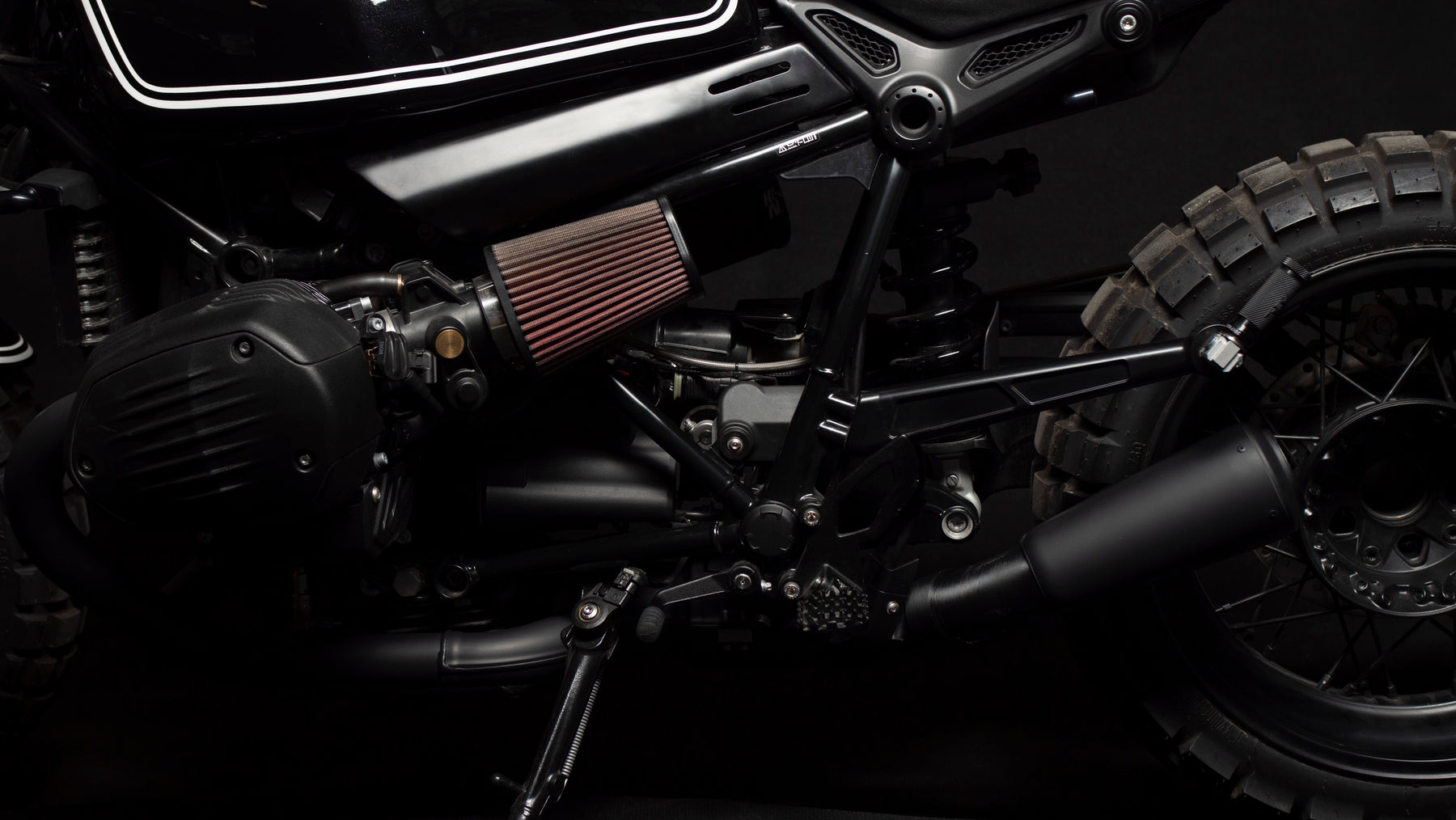
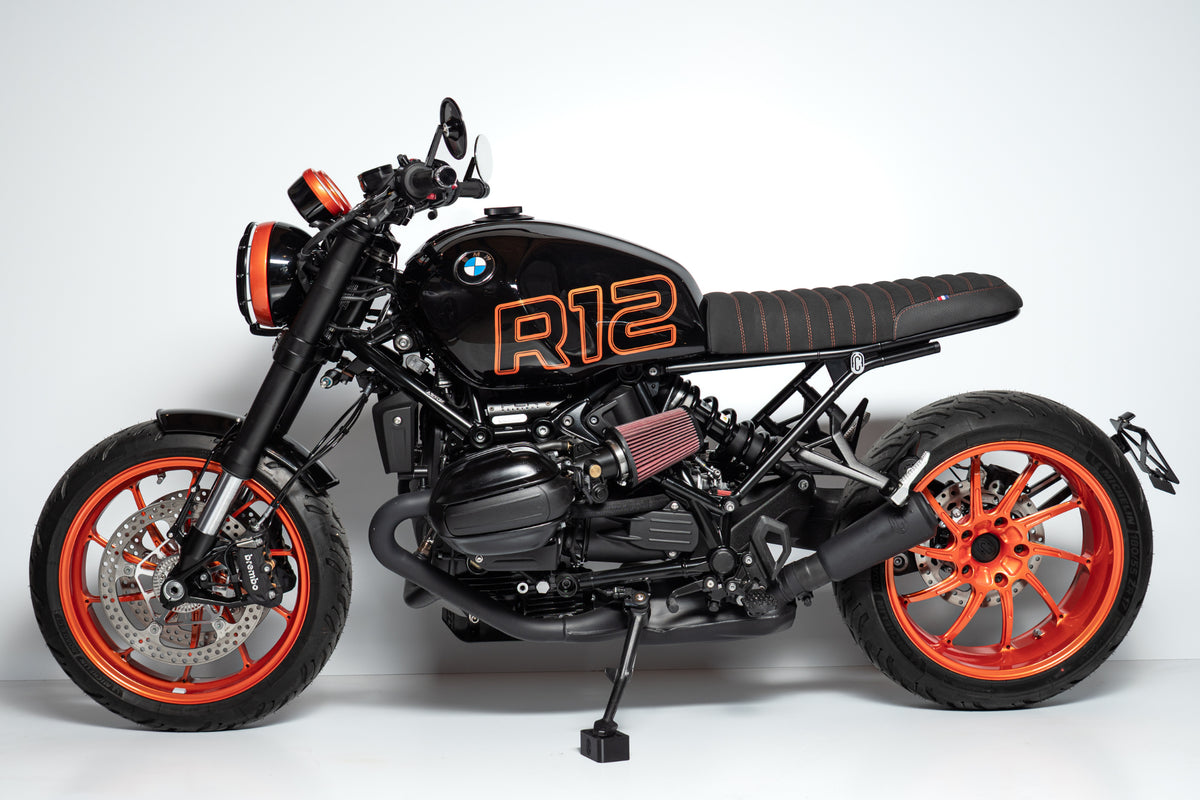
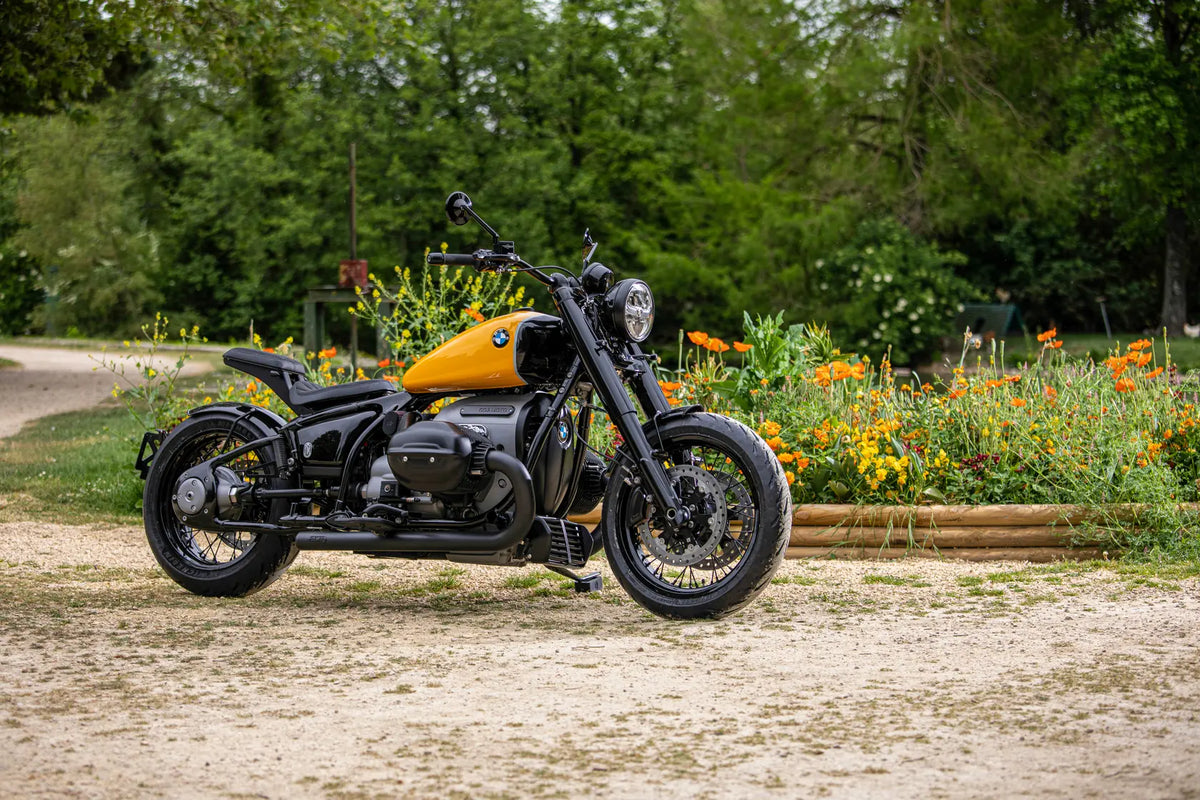
For BMW flat-twins, our exhausts add a raw, minimalist character that suits R NineT, Street Bobber and R18 builds perfectly.
FAQ: most frequently asked questions
Can you clean a motorcycle exhaust when it's hot?+
What products should I use on a stainless exhaust?+
Does an FCR exhaust pass the MOT?+
How do I maintain a black ceramic exhaust?+
How often should I maintain my exhaust?+
Does the DB Killer reduce engine performance?+
Why choose FCR Accessoires?
For over 10 years, FCR Original has been recognised in the world of premium motorcycle preparation. Our exhaust systems come from real workshop builds, tested on the road before going on sale:
- In-house development and testing on our own FCR Original builds
- Premium materials: grade 304 stainless steel, grade 2 titanium, Cerakote ceramic
- Exclusive neo-retro design, coherent with the Modern Classics and flat-twin aesthetic
- DB Killer included, road-legal for standard use
- Plug & play fitment, no irreversible modification
- 2-year warranty, technical support by phone and WhatsApp
A well-maintained exhaust keeps your bike performing and MOT-compliant
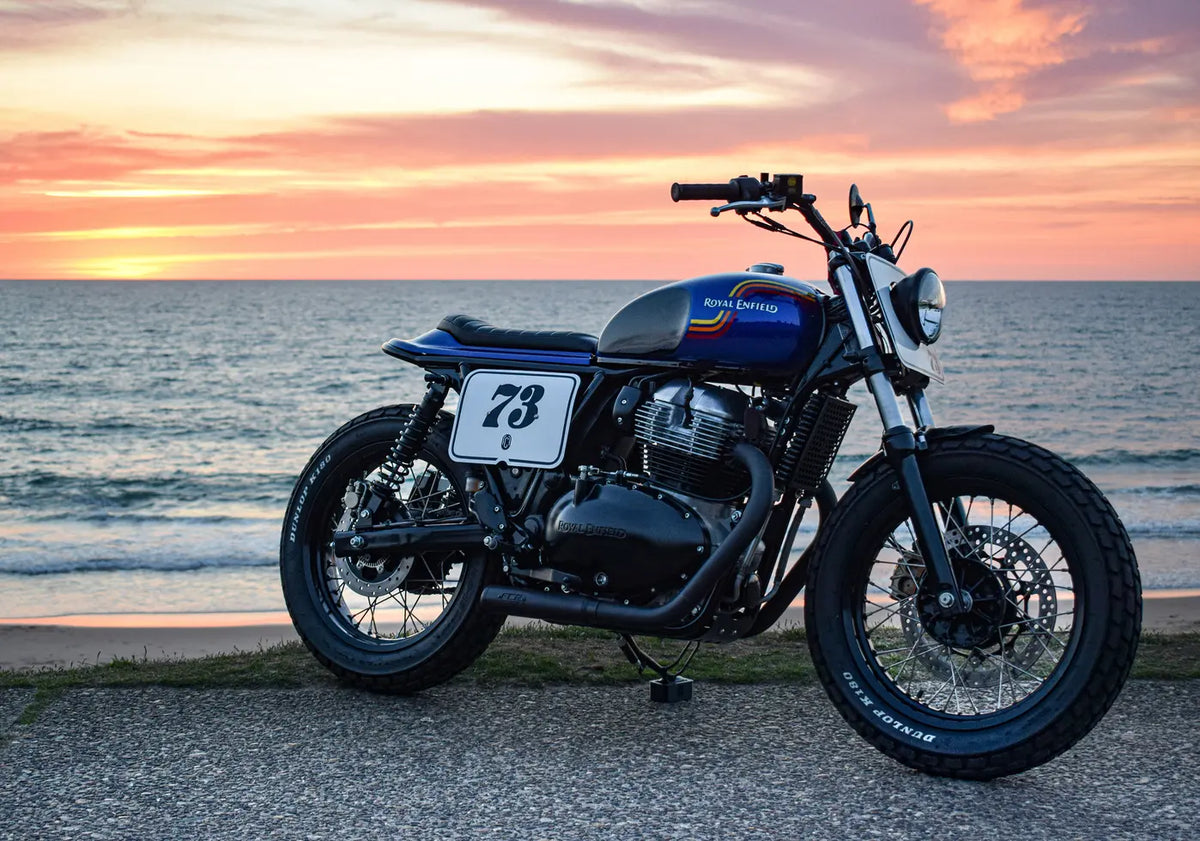
Browse our full range of exhaust systems and silencers for Triumph, BMW and Royal Enfield. French manufacture, plug & play fitment, 2-year warranty.
Shop all FCR exhausts
Webmarketing Manager · FCR Original · Updated 16 April 2026